
Understanding Where To Begin
If you are thinking about buying a house, you might wonder How To Start Buying A House. It can seem overwhelming at first but it is easy if you follow a few steps. When buying a house, it is not just about the structure. It is about making a good investment and deciding what you want to do in the future.
First, consider why you are buying a house. Some may have a desire for stability or to invest for the future. This will influence your decisions. It will dictate how much you spend where you live and even what type of property you get.
And remember, purchasing a home is a process. You cannot rush this process. You must be prepared and patient. The more ready you are the easier it will be. The first step is to raise awareness and prepare your mindset.
Checking Your Financial Readiness
The next step is to check your finances. This is a crucial step as it determines your budget. Start with your income. It needs to be secure and enough to meet long term commitments.
Next look at your savings. You will need money for a down payment. You will also need some cash for closing costs and moving. It’s easy to overlook these expenses and get stressed.
Consider your monthly budget too. Work out your living expenses. This will give you an idea of what you can afford for a home. Make sure to set some aside for emergencies. You never know what will happen.
Also review your debts. If you have credit cards or loans try to pay down the balances. Reducing debt increases your chances of a better loan deal. It will help you feel more comfortable after you purchase your home.
Creating A Budget Plan
Budgeting is a crucial part of home buying. A budget will help you stay on track. First, determine how much you can afford to pay each month.
Be sure to budget for all expenses. So your mortgage payment property tax insurance and maintenance. Your home will have expenses and you have to budget for them.
Consider a down payment too. You would pay less with a bigger down payment. And it can help you secure a lower interest rate. However, do not spend all your savings. Make sure to keep an emergency fund.
Planning ahead makes a big difference. Would you be able to deal with income or expenditure fluctuations? Flexible budgeting helps avoid future issues. It helps you feel at home.
Improving Your Credit And Loan Options
Your credit score is important when you want to purchase a home. It helps lenders gauge your creditworthiness. It improves your chances of being approved for a loan and getting a lower interest rate.
First, get a credit report. Make sure all information is correct. If there are mistakes, correct them. This will help boost your score.
Pay your bills on time. This will help you build a good credit history. Keep your credit card use to a minimum. It can impact your credit score and loan eligibility.
Don’t apply for other loans. Stability is important during this stage. Lenders want to see a pattern of behaviour. Good credit allows you to feel more secure and confident.
Searching For The Right Property
Now that you have sorted out your finances you can begin house hunting. This is probably the most fun but it needs to be done thoughtfully. Do not rush your decision.
Start with your needs. Consider the size and features of the location. Think about your habits and lifestyle. Location can make life easier and more enjoyable.
If you can, see multiple properties. Photos might not capture everything. You’ll get a feel for the house and condition. Look at ventilation lighting structure and so on.
Think about the future as well. Look for a property that will last. You could have more children or your needs could change. Your home should be able to accommodate these changes.
Don’t get carried away. It’s easy to become sentimental but think value and functionality. This will make better choices.
The Decision To Buy And Close
Once you have found the right house it should be time to make an offer. This is where you need to plan ahead. Your offer should be based on market value and affordability.
Once your offer has been accepted the closing process starts. This involves inspections, paperwork and payments. A home inspection is very important. It helps you find any problems with the house.
You can request repairs or a price reduction if needed. This will save you money in the future. This is also when you will finalise your loan. Ensure all paperwork is filled out.
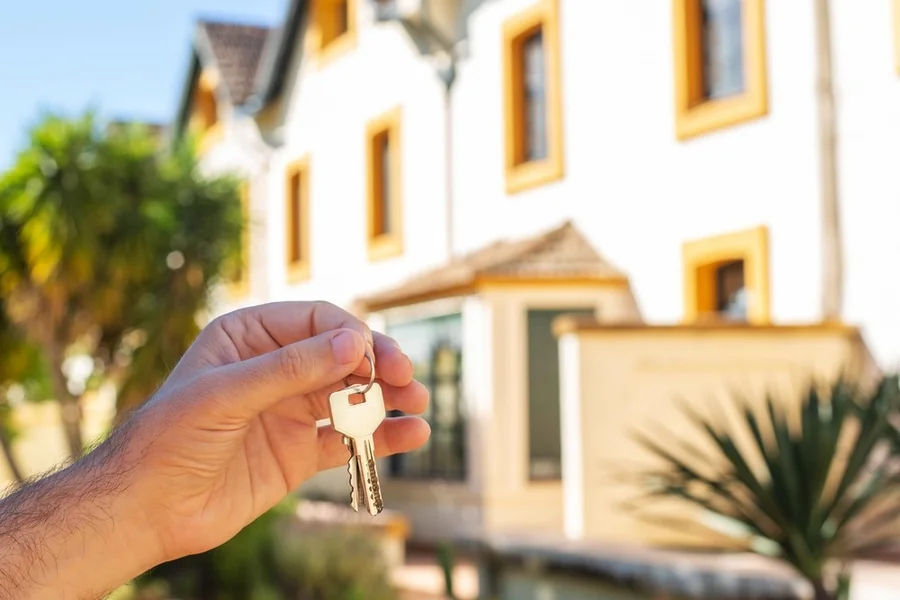
Finally, you will sign the agreement and get the keys. Now your dream becomes a reality. It is an accomplishment that signifies a new beginning.
Final Thought
When you buy a house its a significant decision but it can be easy to plan. Think about the money, make a good plan and make decisions carefully. This reduces risks and boosts confidence.
Remember not to buy a home because it is a roof over your head. It is a long-term investment. By taking your time and making the right moves you can find the right home for you.
FAQs
What is the first step in buying a house?
The first step is understanding your financial situation and setting a clear budget.
How much money do I need to start buying a house?
You need savings for a down payment closing costs and some extra funds for emergencies.
Why is a credit score important when buying a house?
A good credit score helps you get better loan terms and lower interest rates.
Should I get pre approved before house hunting?
Yes pre approval gives you a clear budget and shows sellers that you are serious.
How long does it take to buy a house?
The process can take a few weeks to several months depending on your preparation and market conditions.
Can I buy a house with low savings?
It is possible but it may limit your options and increase your monthly costs.
Is it better to buy a new house or an old house?
Both options have benefits and the best choice depends on your budget needs and preferences.
Do I need a real estate agent to buy a house?
It is not required but an agent can help you avoid mistakes and guide you through the process.
What are closing costs when buying a house?
Closing costs are fees paid during the final stage which may include legal fees taxes and service charges.
Can I negotiate the price of a house?
Yes in many cases you can negotiate the price based on market value and property condition.
