
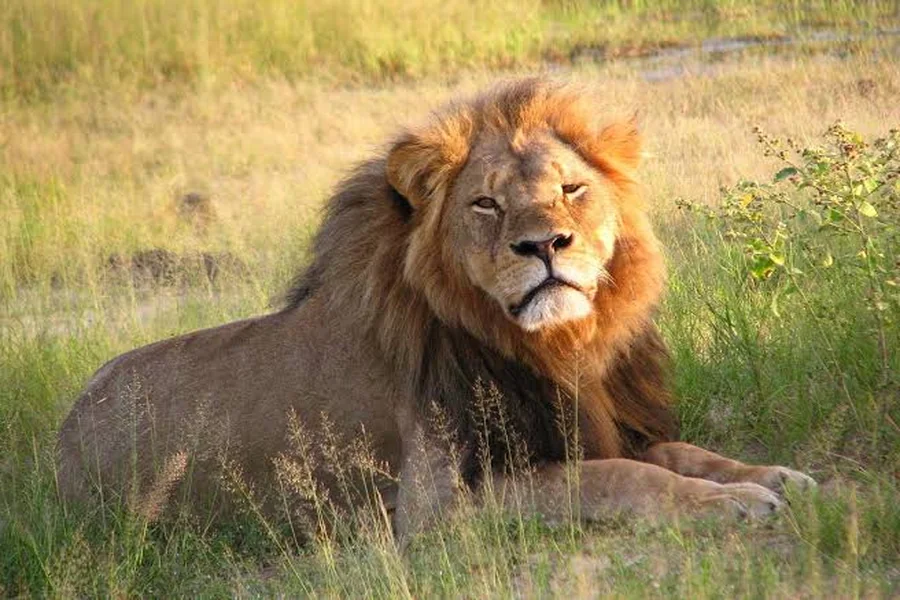
The Hidden World of Rare Wildlife
Rare animals in wilderness areas represent some of the most fascinating parts of the natural world. Many species live in remote forests, mountains, deserts, wetlands, or isolated islands where human encounters are uncommon. Their limited visibility often makes them difficult to study, but it also highlights how much biodiversity exists beyond familiar environments.
For wildlife enthusiasts, learning about these species can create a deeper appreciation for nature. Resources such as natureanimalhub can provide inspiration for people interested in animals, their habitats, and the remarkable variety of life found across the planet.
Some rare species are naturally limited to small geographic areas, while others have experienced population declines because of habitat loss, hunting, environmental changes, or other pressures. Understanding these differences is important when discussing wildlife conservation.
Why Some Animals Are So Rare
There are several reasons why a species may be considered rare. Some animals naturally have small populations or live in very restricted habitats. Others may have once been widespread but have declined over time.
Geographic isolation can also influence rarity. Species living on remote islands or in isolated mountain regions may have evolved separately for thousands or even millions of years. Their specialized characteristics can make them particularly dependent on specific environmental conditions.
Human activity is another major factor. Habitat destruction can reduce the space available for wildlife, while roads, agriculture, development, pollution, and other changes can divide natural habitats into smaller areas. When populations become isolated, finding food, mates, and safe places to raise young can become more difficult.
Rare Species Found in Remote Habitats
Wilderness habitats support many animals that are rarely seen by people. Deep forests can provide shelter for elusive mammals and birds, while high mountain regions can be home to species adapted to cold temperatures and steep terrain.
Snow leopards are an example of an animal associated with rugged mountain environments. Their thick fur, powerful limbs, and long tails help them cope with challenging landscapes. Their natural camouflage can also make them extremely difficult to observe.
In tropical regions, some rare animals live in dense vegetation where they can remain hidden for long periods. Forest canopies, caves, wetlands, and underground environments may all provide specialized habitats for species that avoid open spaces.
Marine wilderness also contains rare and elusive creatures. Deep ocean environments remain difficult for humans to access, and many species living there are known primarily through scientific research rather than direct observation.
Adaptations That Help Rare Animals Survive
Many uncommon species possess specialized adaptations that allow them to survive in demanding environments. These features may involve physical characteristics, behavior, feeding strategies, or reproductive patterns.
Animals living in cold regions may have thick fur or layers of body fat that help them maintain warmth. Species living in dry environments may have developed ways to conserve water or remain active during cooler periods.
Camouflage is another important survival strategy. An animal that blends into rocks, snow, bark, or vegetation can avoid predators and approach prey more effectively. Some species are so well adapted to their surroundings that even experienced wildlife observers may struggle to spot them.
Behavioral adaptations can be equally important. Some animals are active mainly at night, while others live alone and avoid areas with frequent human activity. These habits can reduce encounters but may also make research more challenging.
The Role of Wilderness in Conservation
Remote wilderness areas can act as important refuges for wildlife. When natural habitats remain relatively undisturbed, animals have greater opportunities to feed, reproduce, migrate, and maintain natural behaviors.
Protected areas such as national parks, wildlife reserves, and conservation zones can help preserve these environments. Effective protection usually requires more than simply drawing boundaries on a map. Wildlife corridors, habitat management, monitoring, and cooperation with local communities can all play important roles.
Conservation work also benefits from scientific research. Tracking animals, studying population changes, monitoring habitats, and documenting behavior can help researchers understand what different species need to survive.
For rare wildlife, careful research is especially valuable because even small population changes can have significant consequences.
Responsible Wildlife Observation
Seeing a rare animal in the wild can be an exciting experience, but wildlife observation should always be responsible. Approaching an elusive species too closely may cause stress or change its natural behavior.
Photographers and visitors should follow local regulations, remain on approved routes, avoid feeding animals, and keep an appropriate distance. Special care is necessary around nests, dens, breeding areas, and locations where animals are raising young.
Sharing information about rare species also requires care. Publicizing the exact location of vulnerable animals can sometimes attract unwanted attention or increased human activity. Responsible wildlife enthusiasts should consider the potential consequences before sharing sensitive location details.
Protecting Rare Animals for the Future
Protecting rare wildlife requires cooperation between scientists, conservation organizations, governments, local communities, and individual citizens. Habitat preservation is often one of the most important steps because animals cannot survive without suitable environments.
Reducing illegal wildlife trade, protecting natural resources, restoring damaged habitats, and improving environmental awareness can also support conservation. Local communities are particularly important because people living near wildlife habitats often have valuable knowledge and a direct relationship with the land.
Climate change presents additional challenges for some species by altering temperatures, rainfall patterns, food availability, and habitats. Conservation strategies therefore need to consider both current threats and future environmental changes.
Final Thought
Rare animals in wilderness habitats remind us that the natural world contains many species that remain hidden from everyday view. Their unusual adaptations and specialized lifestyles demonstrate how closely animals are connected to their environments.
Protecting remote habitats is essential for maintaining this diversity. Responsible observation, scientific research, habitat conservation, and greater public awareness can all contribute to a future where rare wildlife continues to survive in the places where it naturally belongs.
FAQs
What makes an animal rare?
An animal may be considered rare because it has a small population, a limited geographic range, a highly specialized habitat, or a population that has declined over time.
Where do rare wild animals usually live?
Rare species can live in remote forests, mountains, deserts, wetlands, islands, underground environments, and deep marine habitats.
Why are rare animals difficult to see?
Many rare animals live in remote areas, have small populations, use camouflage, remain active at night, or naturally avoid humans.
How does habitat loss affect rare wildlife?
Habitat loss can reduce food sources, shelter, breeding areas, and movement routes, making it harder for small or isolated wildlife populations to survive.
How can people help protect rare animals?
People can support habitat conservation, follow wildlife regulations, avoid disturbing animals, reduce environmental harm, and support responsible conservation efforts.
