
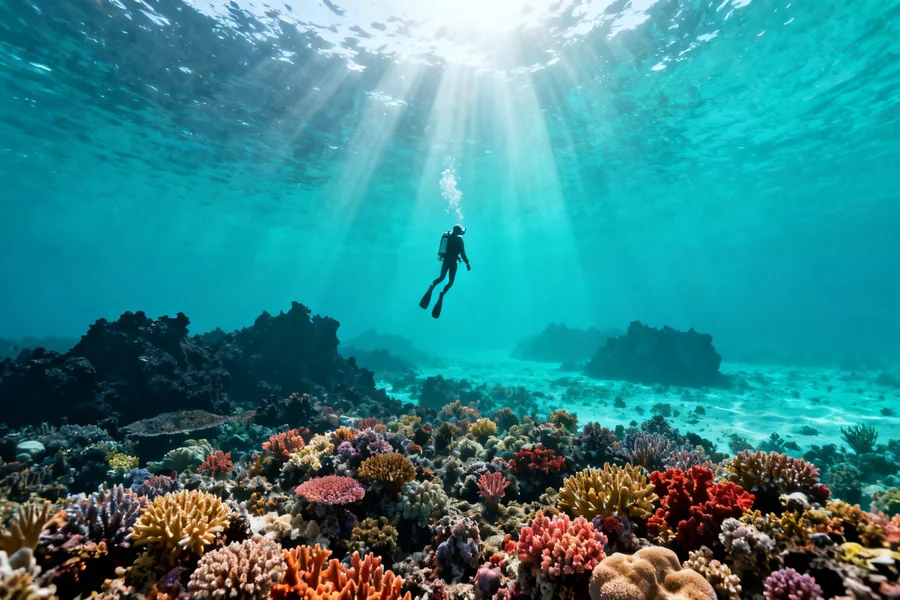
Maui offers some of the most memorable underwater experiences in the Pacific, attracting divers from around the world with its volcanic landscapes, crystal-clear water, and thriving marine ecosystems. The island’s unique geography creates dramatic underwater terrain that ranges from lava tubes and coral reefs to steep walls and submerged craters. For travelers interested in marine exploration, scuba diving Maui provides an opportunity to witness a diverse aquatic environment shaped by both volcanic activity and ocean currents.
Warm tropical waters, generally stable visibility, and a variety of dive sites make Maui appealing for beginners and experienced divers alike. The island’s underwater environment is not only visually impressive but also ecologically important. Hawaiian green sea turtles, manta rays, reef sharks, and hundreds of fish species depend on these reefs and lava structures for shelter and feeding grounds. Understanding how these underwater systems formed and how they support marine life helps divers appreciate the broader environmental significance of Maui’s oceans.
Maui’s Volcanic Origins Create Unique Dive Landscapes
The underwater world around Maui exists because of volcanic activity that shaped the Hawaiian Islands over millions of years. Lava flows from ancient eruptions cooled rapidly when they reached the ocean, creating caves, arches, swim-throughs, and rugged rock formations beneath the surface. These formations now serve as habitats for coral colonies and marine animals.
Many dive sites around Maui feature black lava rock contrasted against bright coral growth and tropical fish. Divers often encounter underwater caverns formed by hardened lava tubes, which create dramatic lighting effects as sunlight filters through cracks and openings. The volcanic structure also creates natural ledges and sheltered areas where marine life gathers.
Molokini Crater is one of the best-known examples of Maui’s volcanic geology. This partially submerged crescent-shaped crater was formed thousands of years ago during a volcanic eruption. Its protected interior offers calm conditions and exceptional water clarity that can exceed 100 feet on calm days. The crater’s walls attract schools of fish and larger pelagic species, making it one of the most studied and photographed marine areas in Hawaii.
Coral Reefs Support a Diverse Marine Ecosystem
Healthy coral reefs are essential to the underwater ecosystem surrounding Maui. Coral colonies provide shelter, breeding areas, and food sources for many species of fish and invertebrates. While Hawaii’s reefs face environmental pressures from warming oceans and human activity, many areas around Maui still support vibrant coral communities.
Divers frequently observe cauliflower coral, finger coral, and lobe coral throughout the region. These coral systems attract butterflyfish, triggerfish, wrasses, and angelfish that rely on reef habitats for survival. Hawaiian reefs also support endemic species found nowhere else in the world, including the Hawaiian cleaner wrasse and the raccoon butterflyfish.
The popularity of scuba diving Maui has also increased awareness about reef conservation and responsible diving practices. Marine conservation organizations encourage divers to maintain proper buoyancy, avoid touching coral, and use reef-safe sunscreen to reduce environmental damage. Sustainable tourism practices play an important role in protecting Maui’s underwater ecosystems for future generations.
Molokini Crater Remains a World-Class Dive Destination
Molokini Crater consistently ranks among the top dive sites in Hawaii because of its visibility, biodiversity, and protected waters. Located a few miles off Maui’s southern coast, the crater functions as a marine sanctuary where fishing and unauthorized collecting are restricted.
Inside the crater, divers often see large schools of yellow tang, Moorish idols, surgeonfish, and parrotfish moving across coral-covered slopes. The sheltered environment makes this area suitable for beginner divers, while deeper sections and drift opportunities appeal to advanced divers seeking more challenging conditions.
The outer wall of Molokini offers a dramatically different experience. Steep drop-offs descend into deep blue water where larger pelagic species occasionally appear. Experienced divers may encounter eagle rays, tuna, reef sharks, or manta rays depending on the season and ocean conditions.
Many marine biologists consider Molokini valuable because of its relatively intact ecosystem and high fish population density. The crater’s protected status allows researchers to study reef behavior and species interactions in a comparatively stable marine environment.
Turtle Cleaning Stations Are a Highlight for Divers
Hawaiian green sea turtles, locally known as honu, are among the most recognizable marine animals in Maui’s waters. Divers often encounter these protected turtles resting beneath coral ledges or visiting cleaning stations where small fish remove algae and parasites from their shells.
Several dive sites along Maui’s western shoreline are known for regular turtle sightings. Mala Wharf and Turtle Town are particularly popular because turtles frequently gather there in significant numbers. Observing turtle behavior in their natural habitat gives divers insight into Hawaii’s marine biodiversity and conservation efforts.
Responsible interaction is important when observing turtles underwater. Federal wildlife guidelines recommend maintaining a respectful distance and avoiding direct contact. Human interference can stress marine animals and disrupt natural behavior patterns.
For many visitors, seeing sea turtles becomes one of the most memorable aspects of scuba diving Maui. Their calm movements and graceful swimming patterns create a peaceful underwater experience that reflects the ecological richness of Hawaiian waters.
Lava Tubes and Underwater Caves Add Adventure
Maui’s volcanic geology creates opportunities for exploring underwater caverns and lava formations rarely found in other tropical diving destinations. Over time, flowing lava hardened externally while molten rock continued moving inside, eventually leaving hollow tubes beneath the surface.
Divers exploring these structures often encounter narrow passages, arches, and open chambers illuminated by filtered sunlight. These formations create dramatic underwater scenery while supporting unique marine life adapted to darker environments.
Cathedrals near Lanai, accessible by boat from Maui, are among Hawaii’s most famous lava tube dive sites. Large open caverns allow sunlight to stream through ceiling openings, producing cathedral-like lighting effects underwater. Divers frequently encounter white-tip reef sharks resting beneath ledges and schools of fish moving through the chambers.
While cavern diving in Maui is generally considered recreational rather than technical, proper training and guidance remain important. Conditions can change rapidly underwater, and divers should always follow experienced dive professionals familiar with local environments.
Seasonal Marine Encounters Make Every Dive Different
Marine life activity around Maui changes throughout the year, making each diving season unique. Winter months often bring humpback whales to Hawaiian waters as they migrate from Alaska to breed and give birth. Although divers rarely encounter whales underwater directly, whale songs can sometimes be heard during dives, creating an unforgettable acoustic experience.
During warmer months, reef fish activity increases, and water conditions often become calmer. Manta ray sightings are more common in certain areas during evening or night dives where plankton attracts feeding rays. Reef sharks, octopuses, moray eels, and nudibranchs can be spotted year-round depending on the dive location and time of day.
Because marine ecosystems are constantly evolving, no two dives are exactly alike. Weather, tides, water temperature, and seasonal migrations all influence what divers may encounter beneath the surface.
Experienced guides familiar with local conditions help divers understand marine behavior and improve the likelihood of wildlife sightings while emphasizing environmental responsibility.
Safety and Environmental Awareness Matter Underwater
Safe diving practices are essential when exploring Maui’s underwater environments. Ocean conditions can vary significantly depending on weather patterns, currents, and surf activity. Even experienced divers benefit from local knowledge regarding entry points, drift conditions, and changing visibility.
Certification agencies recommend proper equipment checks, conservative dive planning, and adherence to depth and air consumption limits. Hydration and surface intervals are particularly important in tropical environments where heat and sun exposure can contribute to fatigue.
Environmental awareness is equally important. Coral reefs are living organisms that can be damaged easily through careless contact. Divers should avoid standing on reefs, disturbing marine animals, or collecting shells and coral fragments.
Organizations involved in marine conservation continue working to protect Hawaii’s reef systems through education, research, and habitat restoration efforts. Visitors who practice responsible diving contribute to preserving these ecosystems while helping sustain marine tourism and local biodiversity.
The growing interest in scuba diving Maui has also encouraged broader discussions about balancing tourism with environmental protection. Maintaining healthy reefs and marine populations requires cooperation between local communities, conservation groups, dive operators, and visitors alike.
Maui Offers an Underwater Experience Unlike Anywhere Else
Maui’s underwater world combines volcanic geology, coral reef ecosystems, and abundant marine life into an experience that few destinations can match. Divers exploring these waters encounter a dynamic environment shaped by ancient eruptions, ocean currents, and ongoing ecological processes.
From the clear waters of Molokini Crater to lava tube caverns near Lanai, every dive site reveals different aspects of Hawaii’s marine landscape. The combination of colorful reef systems, dramatic volcanic structures, and encounters with turtles, rays, and tropical fish creates a rich educational and visual experience for divers of all skill levels.
The continued popularity of scuba diving Maui reflects not only the beauty of the island’s underwater environments but also growing appreciation for marine conservation and sustainable exploration. As awareness of reef preservation increases, divers play an increasingly important role in protecting these fragile ecosystems while continuing to explore one of the Pacific Ocean’s most extraordinary underwater destinations.
