
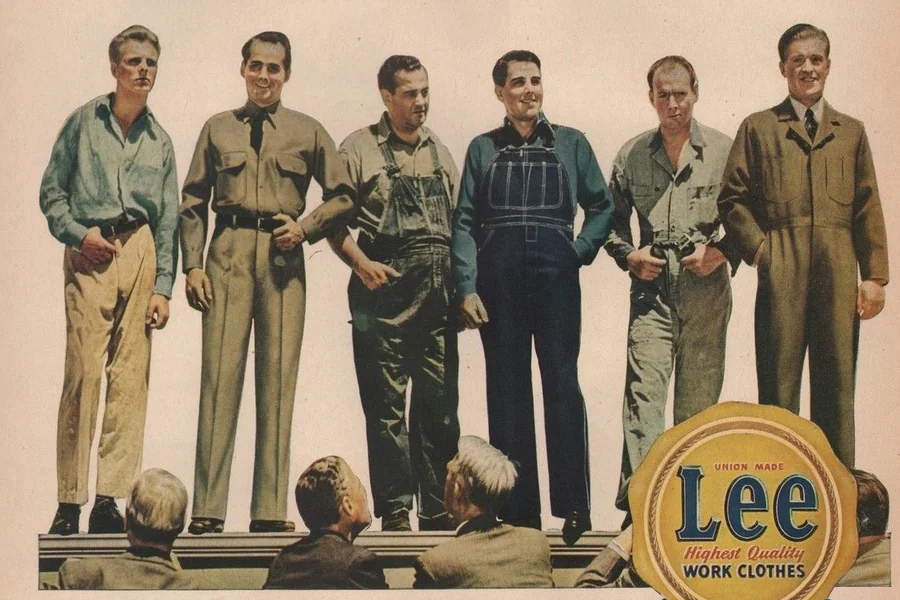
Casual 1940s mens fashion Working class casual is a strong narrative of strength, functionality and low-key fashion. The events of the 1940s were the result of the World War II, financial stress, and severe rationing, and these facts affected how average men used to dress daily. Dressing was not luxury and show-off. It was on longevity, ease and doing with what one had. Nevertheless, in spite of such restrictions, male workers developed an appearance that can be admired nowadays.
The men of this decade had to work in factories, farms, railways, docks, or construction sites with mostly laborious jobs. Their apparel had to endure hours of work, hard materials and weather changes. Consequently, daily fashion was inclined towards durable materials, utilitarian objects, and minimalism in tailoring. There was shape and use even in casual clothes, which were indicative of the discipline of the time.
The Historical Influence Behind 1940s Workwear
The 1940s started in the cloud of international warfare. As the World War II was underway, fabric rationing was a widespread practice in most countries. States imposed dress codes in order to conserve funds to be used in military uniforms. This was an interpretation of less pleats, shorter jackets, narrower trousers and less ornamentation.
To the working-class men, these restrictions did not have a radical impact, as their clothing was already practical and modest. It did though encourage even greater simplicity. Suits were no longer as bulky as they had been in the 1930s and work wear was greatly influenced by utility. Pockets had practical use and were not ornamental. Extra fabric was avoided. Every stitch had a purpose. Looking for meaningful words to share with loved ones? Visit Blushmessages for inspiration.
With the end of the war in 1945 some prosperity gradually went back. But still the custom of sensible dressing lingered. Even informal clothes had a strict and formal look. Men treasured those clothes that were long-lasting instead of being short lived fashion items.
Everyday Shirts and Layering
The 1940s style of working class involved shirts. Majority of the men would wear long-sleeve button shirts of cotton, flannel, chambray or denim. Plaid flannel shirts were particularly popular in the colder climates, with the light cotton shirts being used in the warmer seasons.
Work shirts were commonly designed with two pockets on the chest, strong buttons and strong stitching. It was a comfortable fit but not oversized. Shirts were worn into trousers so as to appear neat even in casual places. In manual labor, it was convenient to roll up the sleeves and this was done.
The significance of layering was great. Men would often wear a shawl over a shirt (knitted vests, cardigans or plain pullover sweaters). These bed layers were also warm but free to movement. During colder seasons, wool coats or heavy canvas jackets would be added to complete the appearance.
Trousers Built for Hard Work
Casual mens fashion trousers in 1940s were casual in nature and were meant to be tough enough to prevent physical wear. Laborers particularly in industrial and agricultural work were fond of denim jeans. Such jeans were high waisted, straight legged, and had heavy stitches.
Among others, working men would wear wool or heavy cotton trousers. Modern pants were occasionally a little higher than they, and were at the natural waist. The wearing of trousers was secured by the use of suspenders. Belts too were used, but rather suspenders were used in cases of long working days.
The figure of legs was straight and clean. In comparison to subsequent decades, trousers were not either too narrow or too wide. Cuffs could also be available but were less popular in wartime due to rationing as they needed an extra amount of fabric.
Jackets and Outerwear
The 1940s outerwear was a combination of structure and strength. Most of the men in the working classes wore chore coats, denim jackets, or plain wool work jackets. Chore coats were quite an in thing. They were usually crafted out of heavy cotton drill or canvas and had large patch pockets where they can keep their tools and other necessities. From motivational lines to funny captions, captionpath has something for everyone.
Some of the workers wore leather jackets, particularly the mechanics and drivers. Nevertheless, the leather was not as popular among the working population because of its price and lack during the war. Wool overcoats were used in colder seasons, especially amongst men who went to urban work.
The war years saw the increased use of shorter jackets because of the restrictions on fabric. The jackets were convenient and could be moved around easily than the long coats of the previous decades.
Footwear That Lasted
Shoes were used in the work wear of the 1940s. Most working conditions that were labor intensive required boots. Footwear Leather work boots had heavy soles which shielded feet against heavy materials and hard ground.
Lace up leather was popular in less physically demanding work. These were plainly made shoes in black or brown, and scarcely ornamented. Durability was the priority. Repair of shoes was always done instead of replacement.
In the country, more heavy boots were used all year round. Men would occasionally put work boots off in more refined shoes after work, rather than walking around in them particularly in urban settings, where they were likely to meet people.
Accessories and Practical Details
The working-class fashion of the 1940s did not use accessories that were ornamental. Laborers wore flat caps and newsboy caps which provided protection against the elements as well as some style. Wool caps and scarves were also used in colder weather.
One of the characteristics of the time was suspenders. They were used to redistribute the weight of the trousers evenly and avoids the sagging of the weight during the motion. Some men continued to use pocket watches but wrist watches were on the increase.
Basic leather gloves, simple, everyday outfits were made complete with belts and strong socks. Nothing was excessive. Everything had a purpose.
Grooming and Overall Appearance
Although the economic situations were harsh, the men of the 1940s who worked in the lower classes cared about their appearance. Hair cuts were trim and sparse. The common forms were short back and sides which had some influence on areas in the war which were influenced by military styles.
It was not full of facial hair as it was in previous decades. Majority of men favored shaved appearance as it was handy and social requirements regarding professionalism and discipline.
Clothes were mended with a lot of care. Nice patches were sewed on tattered parts. Clothes were repaired instead of throwing them away. This culture formed a culture of nurturing and long life fashion.
The Influence on Modern Style
The modern menswear is inspired by elements of working class casual 1940s mens fashion today. High-waisted pants, selvedge denim, work jackets and old-school work shoes all owe their origins to this period.
The modern brands often reproduce silhouettes of the year 1940s as they have classic features. The casual but well-fitting design, functionality, and simplicity of the lines are still appealing to men who want an example of classic fashion without overstatement.
The vintage lovers cherish the originality of original clothing of this decade. Meanwhile, contemporary interpretations also update the appearance to be worn every day without any comfort issues.
The appeal lies in honesty. The garments were geared towards the real world. They portrayed power, accountability, and moral uprightness in the work.
How to Recreate the Look Today
A working-casual outfit in a 1940s style begins with a good button-up shirt, cotton or flannel or chambray. Combine with high rise straight-legged trousers or denim jeans. Tuck-in the shirt and you can even add suspenders to be a true one.
Overlay a chore coat or plain wool jacket. Wear shoes of brown or black leather or lace-up. Keep accessories minimal. Flat cap is character and not costume-like.
Pay attention to the quality of fits and fabrics. Keep in mind not to use too thin cuts or ragged design that is contemporary. It is a innocent style as opposed to drama.
Navy, brown, olive, and grey are the best neutral tones that are effective. Plaid and solid earth colors are historical and simple to wear.
Final Thoughts
The 1940s was a hardship and struggle decade, and working-class men used to dress in a way that was defined by that struggle. They wore simple, powerful, and useful clothes. But in that simplicity there was certain style.
Classic work 1940s mens fashion is not too old fashioned as it symbolizes more than the garments. It symbolizes strength, workmanship and admiration of reliability. Its teachings on quality and longevity have never been more relevant nowadays, in an age of fast fashion..
FAQs
What did working-class men typically wear in the 1940s?
Working-class men usually wore durable button-up shirts, high-waisted trousers or denim jeans, sturdy jackets, and practical leather boots.
Why were 1940s clothes more simple and minimal?
Clothing was simpler due to wartime fabric rationing and the need to conserve materials for military production.
Were jeans common in the 1940s?
Yes, jeans were commonly worn by laborers, especially in farming, construction, and factory work.
Did working-class men wear suits casually in the 1940s?
Suits were typically reserved for formal occasions, church, or special events rather than everyday labor.
